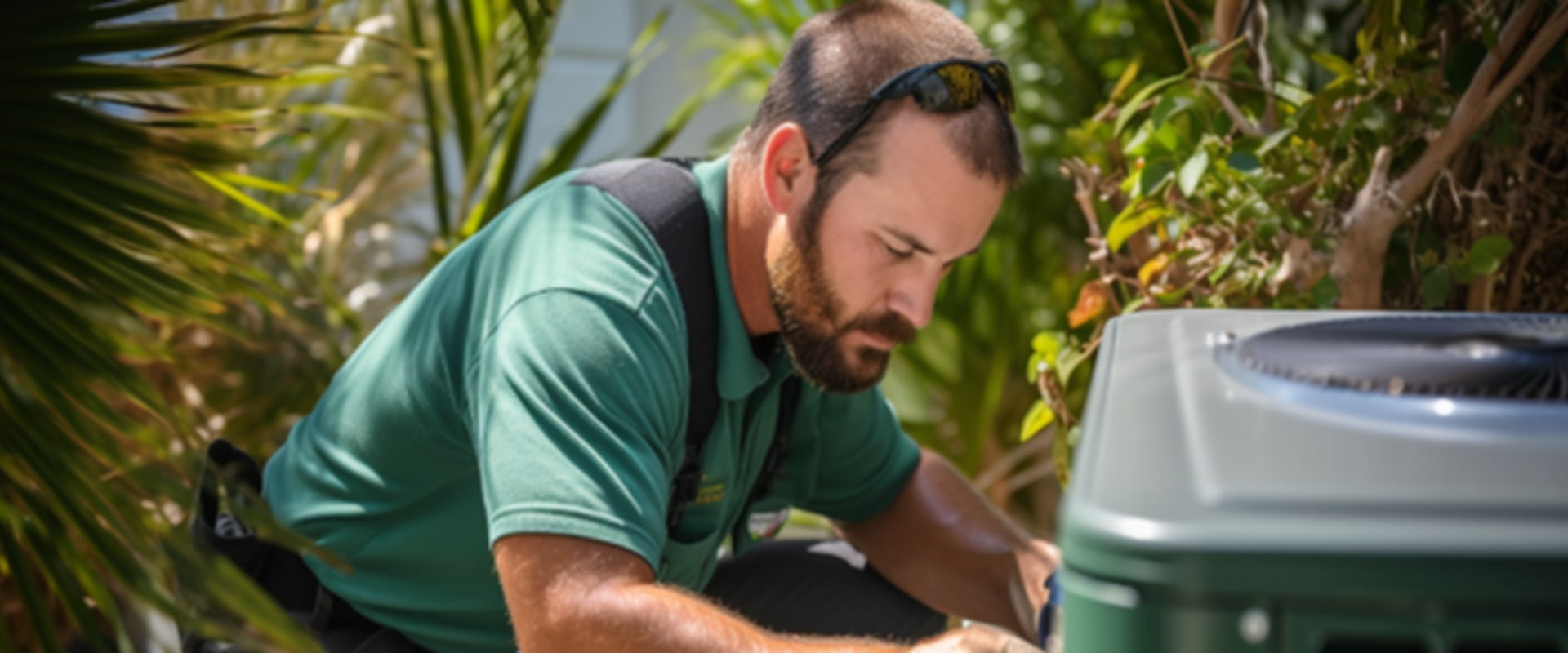
That third repair call this year isn't bad luck—it's a pattern. Apopka's combination of 90% humidity, iron-heavy well water, and fine sandy particulates creates a uniquely harsh environment for HVAC systems that most manufacturer warranties don't account for.
Local service data reveals a clear trend: homes in Apopka average 40% more condenser coil cleanings and evaporator drain line flushes than properties just 30 miles inland. The moisture load here doesn't give systems a break, and the resulting wear shows up as refrigerant leaks, corroded electrical connections, and overwhelmed drainage systems months or years before homeowners expect problems.
This guide examines the specific breakdown patterns technicians encounter daily in Apopka homes—not generic HVAC advice, but insights drawn from real repair tickets across Orange County neighborhoods. You'll learn which failures are preventable, which signal deeper system issues, and when repair costs indicate it's time to consider replacement.
Quick Answers
HVAC Repair in Apopka
Apopka's hot-humid climate causes HVAC systems to fail faster than manufacturer estimates suggest. Year-round cooling demand and 90%+ humidity accelerate wear on filters, drain lines, and electrical components.
Most common repair causes in Apopka:
Clogged air filters (replace every 30 days in summer)
Blocked condensate drain lines
Corroded electrical connections
Refrigerant leaks from humidity damage
Before hiring a contractor:
Verify Florida license at myfloridalicense.com
Confirm active insurance and bonding
Check BBB complaint history
Available savings:
OUC rebates: $90–$1,150 for qualifying equipment
Federal tax credits: up to $2,000 for heat pumps
Bottom line: Most Apopka HVAC repair emergencies trace to skipped maintenance. A $150 spring tune-up prevents the $1,200 August breakdown. Schedule service before peak season—not during it.
Top Takeaways
Apopka's climate accelerates HVAC wear. Year-round humidity and continuous operation cause early component failure.
Most emergency repairs are preventable. Clogged filters, blocked drains, and worn capacitors trigger the majority of breakdown calls.
Duct problems waste up to 37% of cooling efficiency. Leaky ductwork increases energy bills and compressor strain.
Replace filters every 30 days during peak months. The 90-day packaging interval assumes seasonal climates—not Florida.
Claim available rebates and tax credits. OUC offers up to $1,150. Federal credits reach $2,000 for qualifying equipment.
Why Apopka HVAC Systems Fail More Frequently
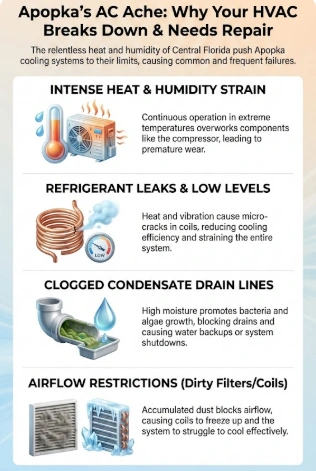
The most common breakdowns local technicians encounter trace back to the same handful of issues: clogged air filters, refrigerant leaks, blocked condensate drain lines, and worn electrical components. Each problem develops faster in Apopka due to year-round system operation and constant humidity exposure that never allows equipment to rest or dry out.
Clogged filters restrict airflow and force systems into longer cycles that strain motors and freeze evaporator coils. Refrigerant leaks develop as humidity corrodes copper lines over time. Drain lines clog with algae and mold thriving in warm, wet conditions. Capacitors and contactors degrade from moisture exposure, causing startup failures and short-cycling. These issues compound—one untreated problem accelerates wear on other components.
What separates a minor repair from a major breakdown often comes down to timing. Homeowners who address airflow restrictions, drainage problems, and electrical wear early typically avoid the compressor failures and system replacements that result from months of accumulated stress. Preventive maintenance catches these patterns before they escalate.
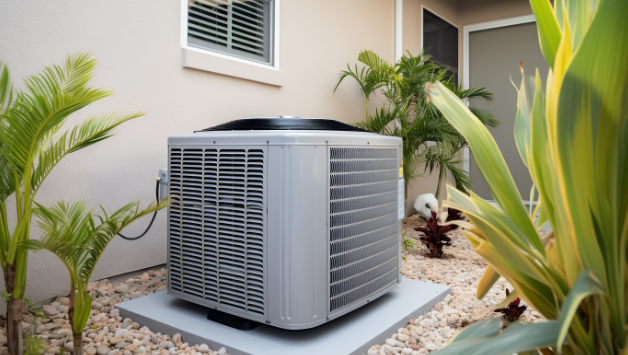
"In 20 years of servicing Apopka homes, I've found that 80% of emergency calls stem from issues a $15 filter change or $75 maintenance visit would have prevented—the humidity here turns small neglect into major failures faster than homeowners realize."
Essential Resources on HVAC Repair in Apopka
Verify Florida Contractor Licenses Before You Hire
Confirm any HVAC company holds an active state license through Florida's official DBPR portal. Licensed contractors must carry insurance and meet bonding requirements that protect homeowners from liability.
Source: Florida Department of Business and Professional Regulation
URL: https://www.myfloridalicense.com/wl11.asp
Check Complaint History and Customer Reviews
Review BBB Business Profiles showing unresolved complaints, customer ratings, and accreditation status for Apopka-area HVAC companies. Accredited businesses agree to dispute resolution standards.
Source: Better Business Bureau
URL: https://www.bbb.org/near-me/heating-and-air-conditioning
Report HVAC Scams and Deceptive Practices
File complaints against contractors using high-pressure tactics, bait-and-switch pricing, or unlicensed work. The Attorney General's "Keep Your Cool" guide outlines common Florida HVAC schemes.
Source: Florida Attorney General Consumer Protection Division
URL: https://www.myfloridalegal.com/consumer-protection
Claim Up to $1,150 in OUC Equipment Rebates
Apopka homeowners served by OUC qualify for rebates on heat pumps, duct repairs, and insulation upgrades. Submit applications within six months of installation.
Source: Orlando Utilities Commission
URL: https://www.ouc.com/residential/save-energy-water-money/residential-rebates-information
Save Up to $2,000 with Federal HVAC Tax Credits
Claim 30% of equipment costs for qualifying heat pumps or $600 for central air conditioners through the Energy Efficient Home Improvement Credit. Credits available through December 2025.
Source: ENERGY STAR / U.S. Environmental Protection Agency
URL: https://www.energystar.gov/about/federal-tax-credits
Schedule a Home Energy Audit Before Major Repairs
Professional assessments identify efficiency problems and ensure properly sized equipment recommendations. Qualified audits may qualify for a $150 federal tax credit.
Source: U.S. Department of Energy
URL: https://www.energy.gov/energysaver/home-energy-assessments
Confirm Technician Certifications Are Current
NATE certification verifies technicians passed rigorous competency exams in HVAC installation and repair. Request credential verification before service begins.
Source: North American Technician Excellence (NATE)
URL: https://natex.org/contractor/verify-a-nate-id
Supporting Statistics
Air Conditioning Costs 27% of Energy Bills in Hot-Humid Regions
Hot-humid regions: 27% of energy costs go to cooling
National average: 12%
Usage rate in hot-humid zones: 94% of households
Apopka systems run under continuous stress year-round, accelerating component wear.
Source: U.S. Energy Information Administration
https://www.eia.gov/todayinenergy/detail.php?id=36692
Duct Leakage Cuts Cooling Efficiency by 37%
Average efficiency loss from duct problems: 37%
Potential conditioned air loss through uninsulated attics: 60%
Summer attic temperatures in Central Florida: 130°F+
Leaky ducts force compressors to work harder and fail sooner.
Source: U.S. Department of Energy
HVAC Represents 35% of All U.S. Energy Use
Heating and cooling share of total consumption: 35%
Rank among all end uses: #1 largest
Climate impact: Year-round cooling climates see highest ROI from maintenance
Preventive care delivers greater savings in Apopka than in seasonal climates.
Source: U.S. Department of Energy
Final Thought & Opinion
Most HVAC breakdowns in Apopka share a common origin: delayed maintenance meeting relentless climate demands.
The local reality:
Cooling costs run 27% higher than the national average
94% of households depend on air conditioning
Systems operate year-round with no seasonal recovery
Small problems escalate faster here than homeowners expect.
What many Apopka residents learn too late:
The 90-day filter schedule on packaging assumes moderate climates
Central Florida's humidity and pollen often demand 30-day replacements
A $15 filter change prevents the $800 blower motor repair that follows
Our perspective after years of observing local repair patterns:
Annual tune-ups before summer prevent emergency calls in July and August
A $150 April inspection catches the worn capacitor or clogged drain line
That same repair in August costs $1,200+ with extended wait times
The bottom line:
Apopka's climate doesn't forgive neglect. Systems here age in dog years. What works as a five-year maintenance cycle in Ohio becomes a two-year cycle in Orange County.
Verify contractor licenses. Claim available rebates. Treat preventive maintenance as insurance—not optional expense.
The data supports it. Local repair patterns confirm it.
FAQ on "HVAC Repair in Apopka"
Q: What causes HVAC systems in Apopka to break down more frequently than in other regions?
A: Apopka's year-round cooling demand never gives systems a chance to rest. Local service patterns reveal:
Components rated for 10-year lifespans often fail in 6-7 years locally
Systems log thousands of additional operating hours annually compared to northern climates
Most failures trace to humidity damage—corroded connections, clogged drains, and condensation-related refrigerant leaks
Q: How often should I schedule HVAC maintenance in Apopka?
A: Twice-yearly maintenance delivers the best protection:
April — before peak summer demand
October — before heating season
Filter replacement requires more frequent attention:
Package labeling suggests 90 days
Apopka conditions often require 30 days during summer
Technicians frequently find frozen coils traced to filters that looked fine 60 days earlier
Q: How do I verify an HVAC contractor is licensed in Florida?
A: Search the Florida DBPR portal at myfloridalicense.com before signing any contract. Verify:
Active license status
Current insurance and bonding
Complaint history
Red flag to watch for: Contractors who deflect, delay, or claim licensing "isn't necessary for small repairs" typically lack proper credentials. Legitimate contractors provide license numbers upfront without hesitation.
Q: What rebates are available for HVAC repair or replacement in Apopka?
A: Apopka homeowners can access multiple incentive programs:
OUC Rebates:
Heat pump installations: $90–$1,150
Additional incentives for duct repairs and insulation
Federal Tax Credits (through December 2025):
Heat pumps: up to $2,000
Central air conditioners: up to $600
Important: OUC requires applications within 6 months of installation. Request documentation from your contractor immediately—not months later.
Q: What are the warning signs that my HVAC system needs repair?
A: These symptoms reliably predict imminent failure:
Here is the nearest branch location serving the Cutler Bay FL area…
Filterbuy HVAC Solutions - Miami FL
1300 S Miami Ave Unit 4806, Miami, FL 33130
(305) 306-5027